A pipe bursts on a Tuesday. By Friday the restoration crew tells you the unit needs four months of work, and you need somewhere to live tonight — furnished, on a term nobody can quite define yet, paid through a claim you've never made before.
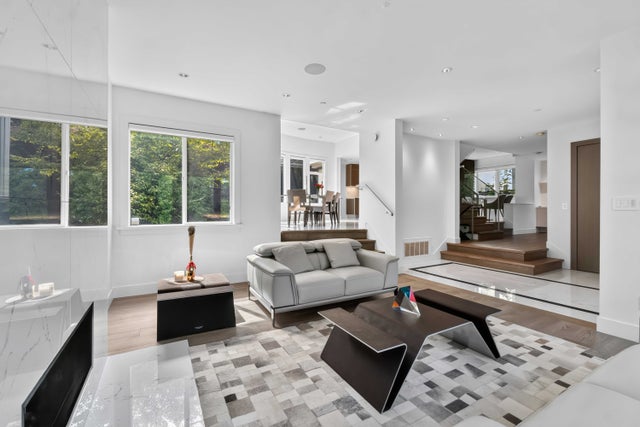
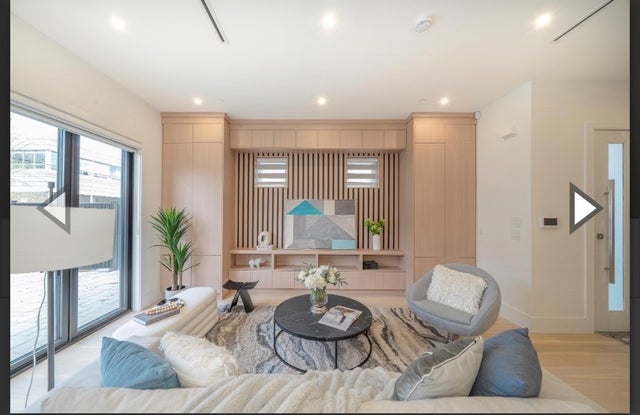
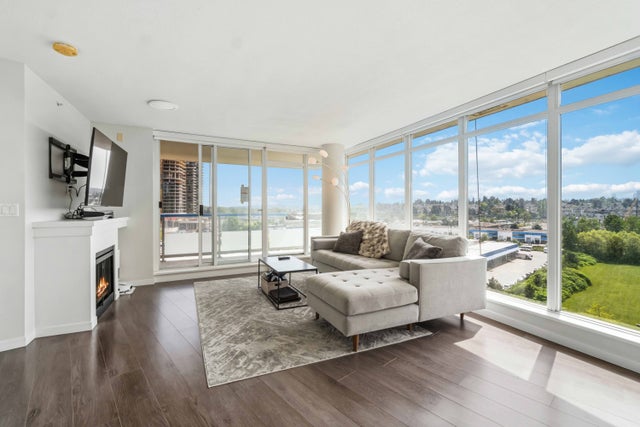
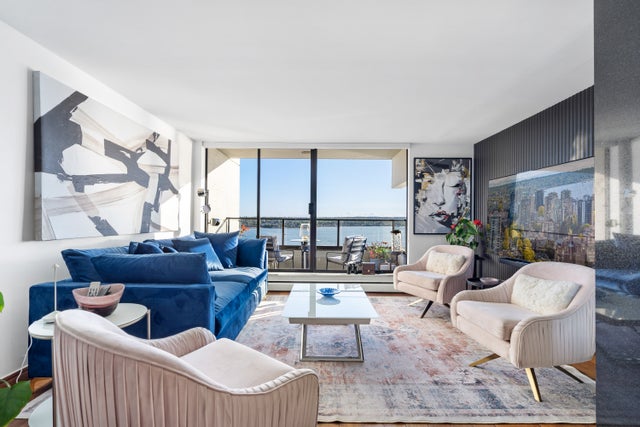
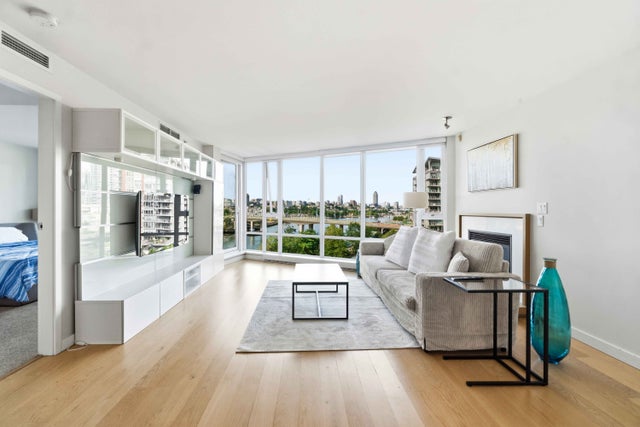
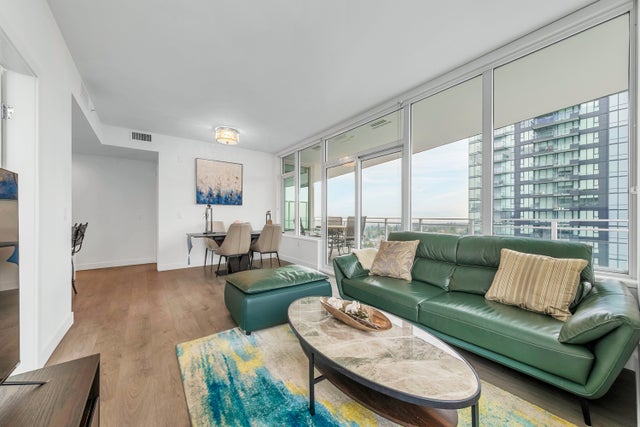
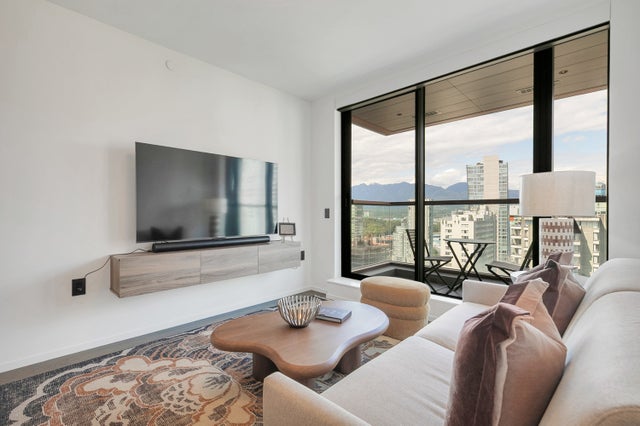
We place displaced households across Metro Vancouver in furnished homes while their own is repaired. Not a hotel room for a family of four, and not a twelve-month lease you'll need to break — a properly furnished condo, townhouse or house on a term that matches the repair timeline.
Minimum stay: three months. We place on a three-month minimum term and extend from there — we don't take shorter bookings. If your repair is only a few weeks, a hotel or short-stay provider will serve you better, and we'll say so.
Displaced right now? Call 778-317-0752 or email info@mydreamrealtyvancouver.com. We'll tell you what's available today.
This is the first question almost everyone asks, and the answer depends on whether you own or rent. It's worth understanding before you start looking, because it changes what you can afford to commit to.
The coverage is called Additional Living Expenses — ALE, or "loss of use" on some policies. It pays the costs that are additional to your normal spending. So the question is always: additional compared to what?
Your mortgage is a debt payment, not rent, and insurers don't treat it as a housing cost that the temporary rental replaces. With no ongoing rent of your own to offset, the temporary accommodation is entirely new spending — so it's generally covered in full, up to your ALE limit.
You keep paying your mortgage. Your insurer pays the rent. That's the intended outcome; you shouldn't be paying twice for housing.
If you remain responsible for your existing rent, ALE typically covers the gap between that and the temporary accommodation.
Example: your rent is $1,500 a month and the temporary place costs $4,500. The insurer covers the $3,000 difference, because you would have paid the $1,500 regardless.
There's an important BC wrinkle. If your unit is genuinely uninhabitable, your tenancy may end or your rent obligation may be affected under the Residential Tenancy Act. If you're no longer liable for the original rent, there is nothing to offset — and the temporary rent becomes fully additional. Raise this with your adjuster and with the Residential Tenancy Branch rather than assuming you owe both.
For longer displacements, insurers often prefer that tenants find permanent replacement housing and use ALE for the moving costs, instead of funding two homes for months.
ALE is usually capped at a percentage of your dwelling coverage — commonly 20% to 30%, with policies ranging from 10% to 50%, and some setting a flat dollar amount instead. On a home insured for $1 million, 25% is $250,000 of ALE. Many policies also cap the coverage at 12 months.
Evacuation-order coverage is separate and much smaller — often in the range of $5,000 to $10,000, with lower limits for tenants than owners.
One thing that varies more than people expect: some insurers require accommodation comparable to what you had, while others only require it to be reasonable and necessary, allowing a hotel, rental or short-term stay. Ask your adjuster which standard applies to your policy.
The single most important step: talk to your adjuster before committing to anything. Approval first, then sign. Keep every receipt from the day the loss occurs.
The restoration estimate — not your policy — determines the term you need, and it's the number to get before you commit to any accommodation. Every property is different, but these are the ranges displacement usually falls into:
Water damage, contained (a supply line, a dishwasher, a single room) — drying and dehumidification typically runs three to five days, with repairs following. Two to six weeks out of the home is common, and sometimes you don't need to leave at all.
Water damage, significant (multiple rooms, subfloor, or a unit above you) — two to four months is a realistic expectation once demolition, drying, and rebuild are sequenced. Anything involving the floor assembly or shared walls takes longer than the visible damage suggests.
Kitchen or contained fire — three to six months. Smoke and odour remediation often takes longer than the structural repairs, and it's the part people underestimate.
Major fire or full rebuild — nine to eighteen months, sometimes more. Permits, engineering and trades scheduling drive the timeline more than the construction itself.
Sewer backup — often a longer displacement than the damage appears to justify, because remediation standards are strict and the affected materials usually have to be removed rather than dried.
Two things consistently extend these: permit timelines in Metro Vancouver municipalities, and hidden damage found after demolition begins. Build a buffer into the term you plan for, and tell your adjuster as soon as the estimate changes. One practical note: because we place on a three-month minimum term, the short containment jobs at the top of this list are usually better served by a hotel. From significant water damage upward, a furnished rental is the sensible option.
Strata displacement is more complicated than a detached house, and the confusion costs people time when they can least afford it.
The strata's policy covers the building — structure, common property, and the original fixtures the unit was built with. When a pipe fails inside a wall and floods three units, that's the strata's claim.
Your own condo policy covers the rest — your contents, any improvements or upgrades made to the unit, your liability, and — critically here — your additional living expenses. If you don't carry your own condo insurance, the strata's policy will not put you up anywhere. That surprises people every year.
The strata's deductible can land on you. Under section 158(2) of the Strata Property Act, a strata corporation can recover its insurance deductible from an owner who is responsible for the loss — and the threshold is low. Negligence does not have to be proven under the Act itself; being the source of the damage can be enough. With Metro Vancouver strata water deductibles now frequently in the tens or hundreds of thousands, this is not a small exposure. A good condo policy includes deductible and loss-assessment coverage for exactly this.
Practically, for accommodation: your displacement is funded by your own condo policy's ALE, not the strata's. Open your own claim even when the strata is handling the building claim, and don't wait for the strata's process to conclude before arranging somewhere to live.
If you're a tenant in a strata unit, this doesn't change your position much — your tenant insurance handles your accommodation. What it does mean is that your landlord, the strata and two insurers are all involved, so getting a clear answer takes longer than usual. Arrange housing on your own coverage rather than waiting for them to sort it out.
Insurance placements have requirements ordinary tenancies don't, and most of the friction comes from property managers who've never handled one.
Terms that match the repair, not the calendar. Restoration timelines move. We write flexible terms from a three-month minimum and extend when the schedule slips, rather than forcing a decision you have no information to make.
Documentation adjusters accept. Itemised invoicing, clear rate breakdowns, and lease terms written so the expense is straightforwardly reimbursable. A claim delayed over paperwork is a claim you're funding yourself in the meantime.
Direct billing to the insurer where the carrier allows it, so you're not floating months of accommodation on a credit card and waiting on reimbursement.
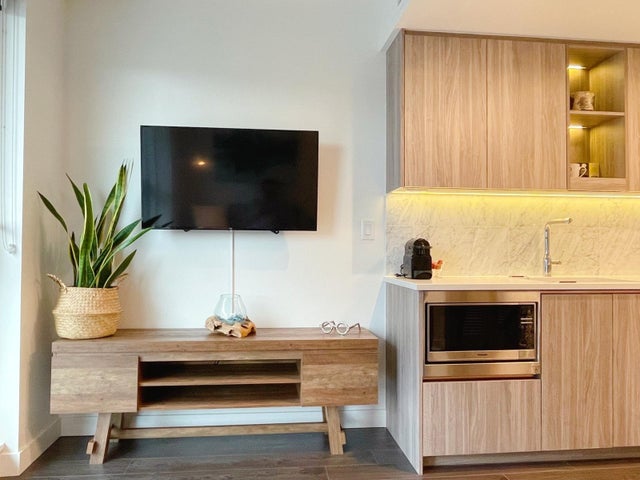
Genuinely furnished. Beds, linens, kitchen equipment, wifi, utilities — a household arrives with what they salvaged and needs to function that night, not a shopping list.
Fast placement. Displacement doesn't schedule itself. We work from live inventory across Metro Vancouver and can usually place within days.
Furnished, flexible-term accommodation costs more than an ordinary annual lease, and it's worth understanding why before the number surprises you.
What you're paying for beyond the space: furniture, linens, kitchen equipment, utilities, internet, and a term that can end or extend on the restoration schedule rather than a fixed twelve months. Furnished mid-term rentals in Vancouver typically carry a premium in the range of 15–30% over the equivalent unfurnished long-term rent.
What sets the rate:
How it compares to a hotel: for anything beyond a couple of weeks, a furnished rental is usually cheaper per night than a hotel and far cheaper than two hotel rooms for a family — which is why insurers generally prefer the move to a rental once the displacement looks like it will run for months. It also stretches your ALE limit further, which matters if the repairs overrun.
A word on your limit. Divide your ALE limit by the monthly rate before you commit. If the restoration estimate is six months and the rate would exhaust your coverage in four, that's a conversation to have with your adjuster at the start rather than in month five.
We'll quote a clear monthly or per-diem rate up front, in a format your adjuster can process.
The parts of displacement that don't appear on the claim form are often the ones that decide where a family can actually live.
Pets. ALE typically covers boarding, but most families would rather keep the animal with them, and that narrows the inventory considerably. Tell us about pets at the first conversation rather than after we've shortlisted places — it's the single biggest constraint on what we can offer, and it's much easier to work with up front.
School catchments. A displaced family usually wants to stay in the same catchment so the children aren't changing schools mid-year on top of everything else. Say so early. It may mean a smaller place or a slightly longer wait, but it's a trade most parents want the chance to make rather than have made for them.
Commuting. ALE covers the additional commuting cost from a temporary address, so a slightly farther location isn't necessarily the financial hit it appears to be. Worth weighing against a cramped place nearby.
Accessibility and mobility needs. Ground floor, elevator access, step-free entry — mention it immediately. These narrow the options sharply and cannot be solved at the last minute.
Your belongings. Whatever survived usually needs to go somewhere. ALE generally covers storage, and we can point you to storage near the temporary address so retrieving things isn't a project of its own.
None of this is unusual, and none of it needs apologising for. A displaced household isn't a standard tenancy and shouldn't be treated as one.
If you place displaced policyholders regularly, the problem isn't finding a rental — it's finding one that will take a four-month term, invoice properly, and not create a second claim of its own.
We work directly with adjusters and restoration firms across Metro Vancouver:
Placing files regularly? Get in touch and we'll set up a standing arrangement so your next placement is a phone call, not a search.
Committing to a long-term rental before step 3 is the most common and most expensive mistake. Approval first.
Does my insurance pay the entire rent on the temporary place? If you own your home, generally yes — up to your ALE limit, because your mortgage isn't treated as rent being replaced. If you rent and remain liable for your original rent, it usually covers the difference between the two.
How long can I stay in insurance temporary housing? As long as your home reasonably takes to repair, subject to your ALE limit and any time cap — often 12 months. Minor water damage might be six weeks; a significant fire can run a year or more.
What is your minimum stay? Three months. We don't place shorter terms — for a displacement of a few weeks, a hotel or short-stay provider is the better fit and we'll tell you so rather than waste your time. If the restoration estimate runs three months or longer, a furnished rental is almost always cheaper than a hotel and far easier to live in.
Does the insurer pay us or pay you directly? Both happen. Many carriers will direct-bill an accommodation provider; others reimburse you on receipts. Ask your adjuster — and if direct billing is available, use it, because it keeps months of rent off your credit card.
Can I choose where I stay? Within reason, yes. Some policies require accommodation comparable to your home; others only require it to be reasonable and necessary. Either way, a family displaced from a three-bedroom house isn't expected to accept a studio — but nor will the insurer fund an upgrade.
What if the repairs take longer than expected? Common, and manageable. Tell your adjuster as soon as the restoration schedule shifts, and we'll extend the term. What causes problems is discovering it in the final week.
I'm a tenant, not a homeowner. Am I covered? If you carry tenant insurance, it almost certainly includes loss-of-use coverage. If you don't, your options are narrower — your landlord's policy covers the building, not your accommodation.
Do you require full credit and employment screening? Insurance placements are assessed differently from standard tenancies, since the term is defined and the payer is typically the carrier. We'll tell you exactly what we need up front.
We place displaced households in Vancouver and Burnaby. In Vancouver that covers Downtown, Coal Harbour, the West End, Yaletown, Olympic Village, Mount Pleasant, Fairview, Kitsilano, Point Grey, Dunbar, Kerrisdale, Marpole, the Cambie corridor and East Vancouver. In Burnaby: Metrotown, Brentwood, Lougheed, Burnaby Heights, Deer Lake, Edmonds and Burnaby Mountain.
Being displaced is disorienting, and the housing part is the piece you shouldn't also have to become an expert in. We've been placing tenants across Metro Vancouver since 2013; this is the same work under a tighter deadline.
Call 778-317-0752 or email info@mydreamrealtyvancouver.com — we'll tell you what's available today.
General information for BC policyholders, not insurance or legal advice. Coverage, limits and definitions vary by policy and carrier — your policy wording and your adjuster govern your specific claim. For tenancy questions, contact the Residential Tenancy Branch.
Open Mon-Fri 9a.m.–5p.m, Closed Sat-Sun
#1112 - 1030 W Georgia St. Vancouver, BC V6E 2Y3